
Skip to content

Our Care

Care shaped around the people we support.

Choosing care is rarely straightforward, and the words used around it are not always helpful. This page explains, in plain language, the kinds of care we provide — and which of our homes provide them.

Types of care

Understanding the options.

Not every home offers every type of care, and no home should pretend otherwise. Beneath each description you will find exactly which Lamba homes are registered to provide that care today.

Residential care is for someone who no longer wants — or is no longer able — to manage day-to-day life at home, but does not need nursing. There is help on hand with washing, dressing, medication and getting about, all their meals are cooked for them, and the cleaning and laundry are simply taken care of.

Who it may suit

  • Someone finding the house, shopping and cooking too much to manage
  • Someone who has become isolated or is not eating properly alone
  • A family worried about falls, or about mum or dad being on their own at night

How our teams approach it

We start by learning the person, not the checklist: what time they like to get up, how they take their tea, what they used to do for work, who visits and when. Care is written around that, and reviewed with them and their family as things change. Independence is protected wherever it can be — help is offered, never imposed.
Nursing care is residential care with registered nurses in the building day and night. It is for health needs that need proper clinical attention — wounds, catheters, PEG feeding, diabetes, complex or changing medication, or conditions such as Parkinson's or stroke.

Who it may suit

  • Someone whose health needs have moved beyond what a care home without nurses can meet
  • Someone coming out of hospital who still needs clinical support
  • Someone living with a long-term condition that is becoming harder to manage at home

How our teams approach it

Registered nurses lead the care in our nursing homes and work alongside GPs, district nurses, therapists and specialist teams so that concerns are picked up early rather than at crisis point. Families are kept properly informed — including when the news is not what anyone hoped for.

Dementia care supports someone living with memory loss or confusion, whether or not they also need nursing. The aim is not to correct or manage a person, but to make the world around them feel calm, familiar and safe so they can still enjoy their day.

Who it may suit

  • Someone becoming disorientated, anxious or unsafe at home
  • Someone whose sleep, mood or behaviour has changed and is hard to support alone
  • A husband, wife or child who is exhausted from caring around the clock

How our teams approach it

Gentle routine, familiar faces and time. Our teams are trained to look for the reason behind distress rather than the behaviour itself, and to use a person's own history — their music, their work, their family names — as a way back to comfort. Relatives know the person best, and we ask, listen and keep asking.

A short, planned stay in the home — for a week or a few weeks — with exactly the same care as someone living with us permanently. Some people come while a family carer takes a holiday or has an operation; others come to recover their strength and confidence after a spell of illness.

Who it may suit

  • A family carer who needs a genuine break, without worrying
  • Someone regaining confidence after illness or a hospital stay
  • A family who would like to try a home before making a permanent decision

How our teams approach it

Short stays are treated as seriously as permanent ones: the same assessment, the same care plan, the same welcome. Nobody spends their stay feeling like a guest in the corner. If a short stay later becomes a permanent move, the transition is already familiar.

Care focused on comfort, dignity and peace when someone is living with an illness that cannot be cured — sometimes for months, sometimes in the final days. It covers pain and symptom relief, but just as much it covers privacy, quiet, and having the people you love close by.

Who it may suit

  • Someone with a life-limiting illness who wishes to be cared for in familiar surroundings
  • A family who want their relative to be comfortable rather than moved between hospitals
  • Anyone approaching the end of life who has clear wishes about how it should be

How our teams approach it

We ask, early and gently, what matters most — and we write it down and honour it. Our teams work with GPs and community palliative care services on symptom control, and families are welcome at any hour, with somewhere to sit, rest and be looked after themselves. Support does not stop on the day someone dies.

We can help you work it out

Not sure what type of care you need?

Most families arrive at this question without warning, often in the middle of something difficult. You do not need the right words or the right terminology. Tell us what is happening and we will help you understand the options — including the ones that are not ours.

How care begins

A considered process, never rushed.

  1. 01

    A conversation

    We listen first: the situation, the timescale and what matters most.

  2. 02

    An assessment

    A qualified assessor meets the person, at home or in hospital, and reviews their needs in full.

  3. 03

    A visit

    You come and see the home, meet the team and ask anything you like.

  4. 04

    Moving in

    A personal care plan is agreed, and the first days are planned carefully around the person.

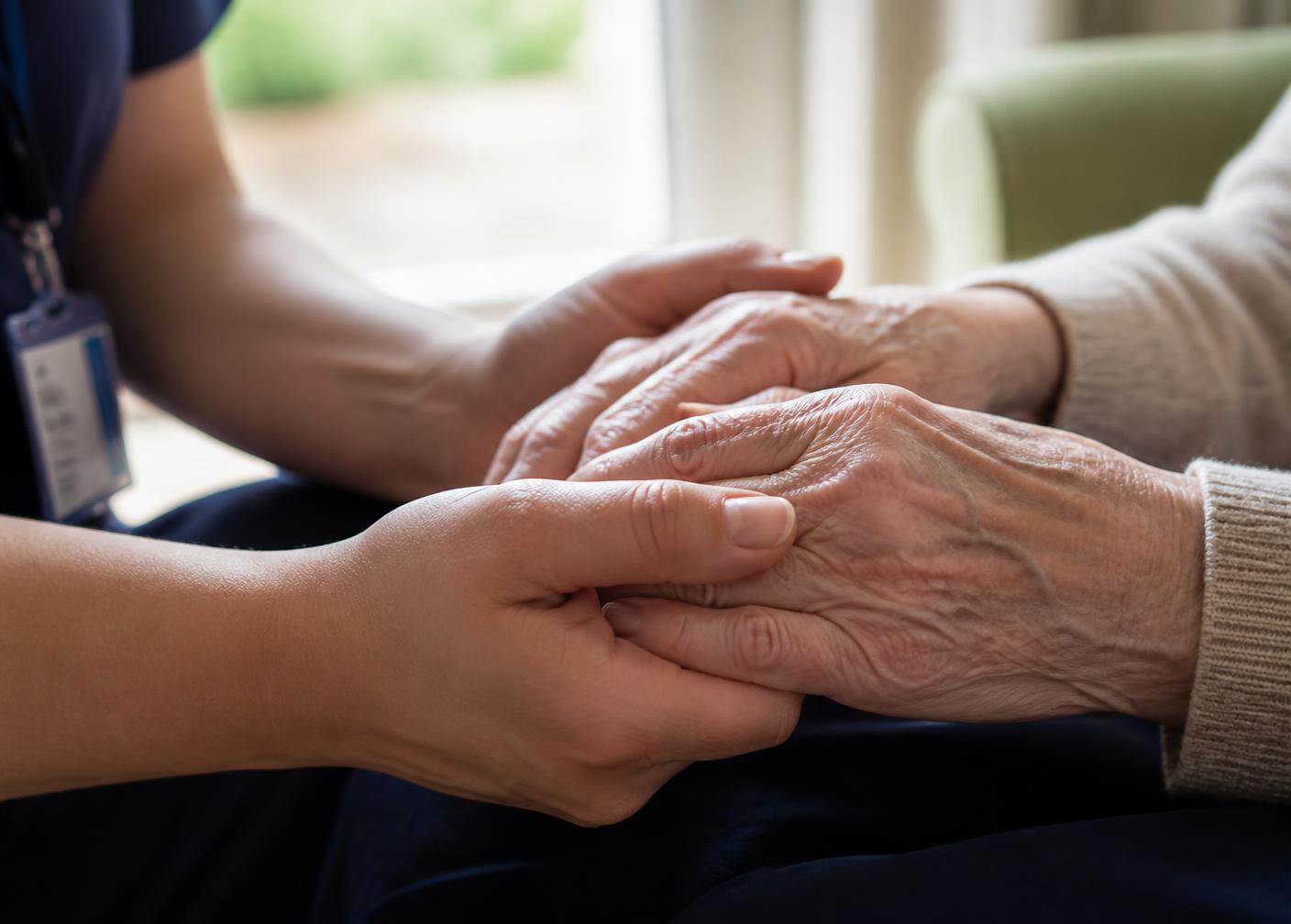
Illustrative photograph of a carer holding an older person's hands
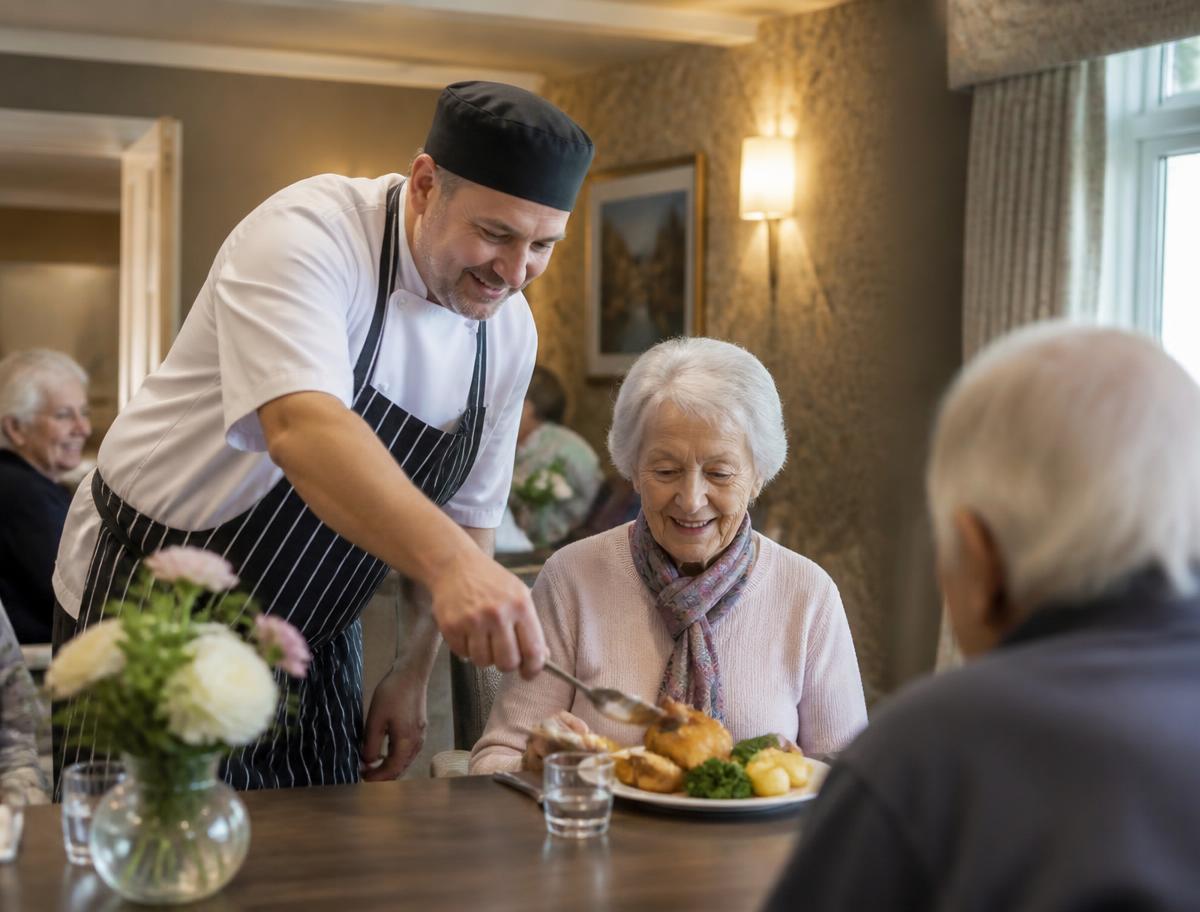
Illustrative photograph of a freshly cooked meal being served in a dining room

Everyday standards

The details that make a home.

  • A named nurse or carer who knows the person, not just the care plan
  • Meals cooked in the home, with a choice at every mealtime
  • Something worth getting up for every day, indoors and out
  • Families welcome, and kept honestly informed
  • Care plans reviewed with the person and those closest to them
Discover Our Homes